Around the world, women are suffering from the negative impacts of large-scale projects such as dams, mines, and land conversion projects. In 2014, with support of the Dutch Ministry of Foreign Affairs, Both ENDS launched an innovative four-year project, Upholding human rights: Bridging the gender-environment divide, in cooperation with ActionAid groups in the Netherlands, South Africa, and Kenya; Indian partners Dhaatri Resource Centre for Women and Children and Keystone Foundation; and the Center for International Environmental Law, based in the United States.
The project aims to empower women and human rights defenders, especially to increase women’s participation in relevant local and national decision-making processes. It also aims to improve sustainable resource management and to further explore the potential of the human rights framework – especially the right to food, water, and a healthy environment – to enhance the position and protect the rights of women. It addresses the nexus between women’s human rights and sustainable development.
The foundation for the project was laid in the first year with a meeting of all partners to exchange experiences and develop a common understanding of the goals. Baseline studies and training on the human rights framework were also carried out. In 2015, the project has started to show concrete results: more than 3000 women and men have now received training about women’s human rights and the gendered impacts of large-scale projects. Around 25 women’s groups have been formed or supported to help make the voices of affected women heard and to promote their rights to water, food, and a healthy environment. Special attention has been placed on enhancing the skills of women to take up leadership roles.
She described how these impacts affect women more severely, as they are the ones responsible for the collection of firewood, water, and food for their families. They are also less equipped to stand up for their rights, and face greater risks in doing so. The dialogue was attended by Dutch Human Rights Ambassador Kees van Baar and representatives from the Dutch Ministry of Foreign Affairs’ Taskforce on Women’s Rights and Gender Equality, among others.
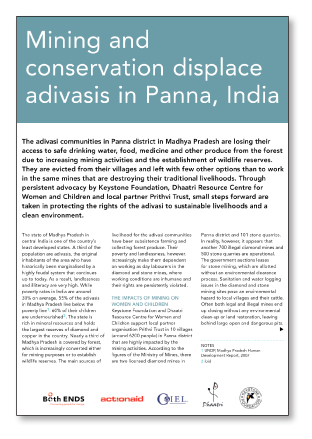
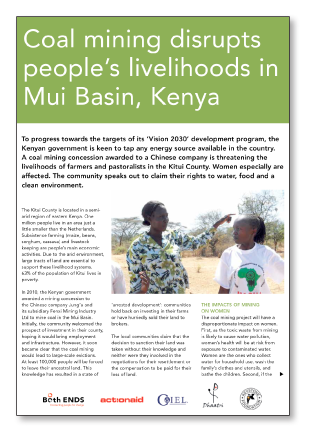
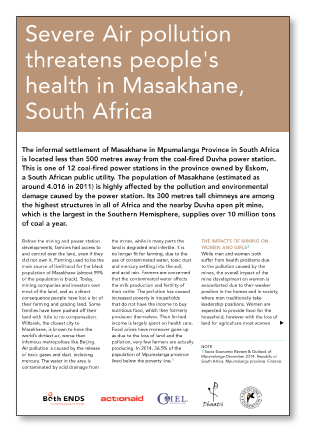
A key part of the project is to document specific cases in each partner country of women’s human rights violations and to pursue remedy in local courts or international human rights courts. A case in Kenya focuses on a Chinese coal mining project which would force at least 100,000 people from their ancestral land. In South Africa, the case involves a coal-fired power station and open-pit mine that is causing severe water and air pollution. In India, the focus is on forests, mining and national parks. Summaries of all three cases, including a gender analysis, were published in November.
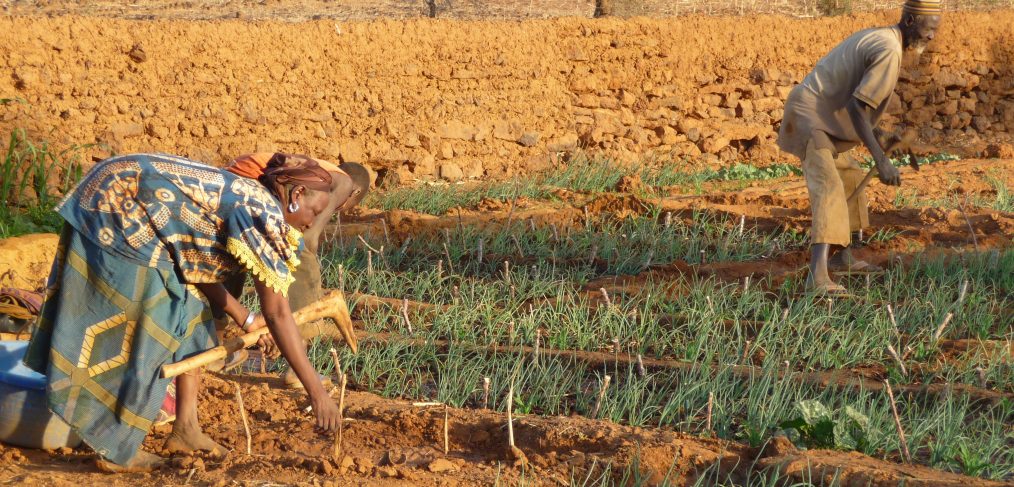
Dhaatri has already achieved some successes using India’s Forest Rights Act, which recognises the forest rights of the adivasi, a historically marginalised forest dwelling people. Dhaatri has supported the filing of more than 500 individual and 40 community forest rights claims under the Forest Rights Act. They also managed to stop the planned eviction of adivasi communities to make way for the Panna National Park and Tiger Reserve.

NAME: Young Environmental Leadership
FINANCED BY: JWH Initiative.
Young people who work for environmental civil society organisations (CSOs) in developing countries often have few opportunities to develop leadership skills due to a general lack of resources for schooling, training or practical learning. By annually giving small grants to approximately 30 young potential leaders, the Initiative aims to increase their knowledge, experience and training, thus strengthening the capacity and efficiency of local environmental CSOs.
NAME: The Koningsschool fund
FINANCED BY: Stichting School van Z.M. Koning Willem III en H.M. Koningin Emma der Nederlanden.
The Koningsschool Foundation, based in The Netherlands, promotes knowledge of forests and forestry, and provides financial support to projects on sustainable forest management. Both ENDS has been advising the foundation on applications from developing countries for small grants since 2005.
Export credit agencies (ECAs) are a key actor in facilitating global capital flows. On behalf of national governments, ECAs offer insurance, guarantees or credit to domestic companies to cover the risks of doing business abroad. By doing so, ECAs help companies mobilise finance for their business. ECAs are the largest source of public financial support for projects in developing countries.
The Dutch ECA, Atradius Dutch State Business (Atradius DSB), underwrote more than E15 billion in 2014 alone – public support for a huge sum of private money that should be advancing the Dutch government’s goals of inclusive, sustainable development. Instead, many projects guaranteed by Atradius DSB are associated with severe environmental destruction and human rights violations. In collaboration with local partners, Both ENDS monitors the impacts of Atradius DSB-supported projects, and presses the Dutch government and Atradius DSB to improve its practices and policies.
Suape, Brazil
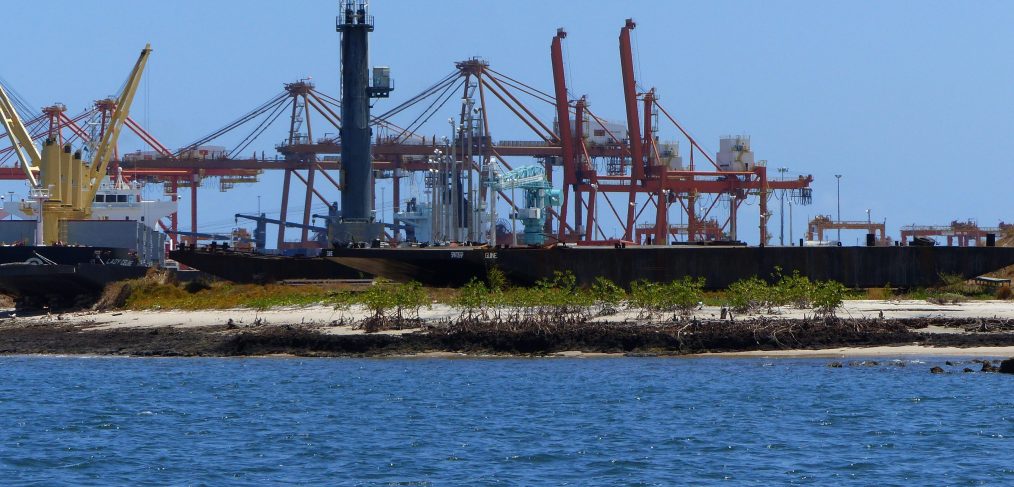
One such case involves communities around the Port of Suape in north-eastern Brazil. The livelihoods of people in the area have been devastated by pollution and destruction of the marine ecosystem thanks to a port expansion project designed to accommodate large oil tankers. Since 2012, Both ENDS has supported local fishing and farming communities to organise and claim their rights, including regaining access to the harbour’s natural resources.
In 2015, Both ENDS and FGG Alliance partner SOMO supported local partner Fórum Suape in formulating a formal complaint to the Brazilian and Dutch National Contact Points (NCPs), which are tasked by their respective governments to handle complaints against companies accused of failing to adhere to the OECD Guidelines for Multinational Enterprises. The complaint has been submitted by the Fórum Suape, the human rights organisation Conectas, and the Z8 Fishing Colony in Brazil, and by Both ENDS in the Netherlands. It targets the Dutch dredging company Van Oord as well as Atradius DSB, which provided insurance to two dredging projects of this company for the Suape port. The complaint documents the lack of consultation with local communities, the loss of their traditional way of life and livelihoods, and severe damage to biodiversity and ecosystems as a result of dredging in and around the harbour.
In a first positive step, the Brazilian NCP accepted the complaint against Van Oord and the Dutch NCP accepted the case against Atradius DSB, marking the first time that an NCP has agreed to accept a case against an ECA. The groups participated in meetings with both NCPs, which will now bring the parties together and facilitate mediation.
Depending on the Suape port authorities, the complaint has the potential to lead to concrete improvements for the Suape communities. Fórum Suape and Both ENDS are arguing that the companies should provide compensation, mitigation, and remediation for damage caused to both the communities and the environment.
The outcome could contribute to broader guidance for the Export Credit Agency sector on human rights due diligence and other responsibilities as laid out in the OECD Guidelines.
The Suez Canal
The Suape case is just one of many in which Atradius DSB failed to adequately screen the companies and projects it supported. Throughout 2015, Both ENDS closely monitored the role of Atradius DSB and Dutch dredging companies in a project to expand the Suez Canal at breakneck speed. Just three months after the Egyptian President announced the massive expansion plan, the Dutch dredging companies Van Oord and Boskalis were working round the clock on the project. While their application for insurance from Atradius DSB was in process, international media reported that the Egyptian army had already destroyed 1,500 homes and forcibly evicted 500 families to make way for the expansion.
When Both ENDS requested to see the project’s Social and Environmental Impact Assessment – a standard procedure for considering the social and environmental effects of proposed high impact Cat. A projects – Atradius DSB in the end responded that such information was not available, while nevertheless an export credit insurance policy had been issued.
Both ENDS and SOMO collaborated to research and analyse the conduct of the ECA and the dredging companies in the Suez case with respect to norms for responsible business conduct, specifically the OECD Guidelines for Multinational Enterprises and the UN Guiding Principles on Business and Human Rights. The resulting study, which found ample evidence of their failure to meet international social and environmental standards, is due out in 2016.
Atradius and tax avoidance
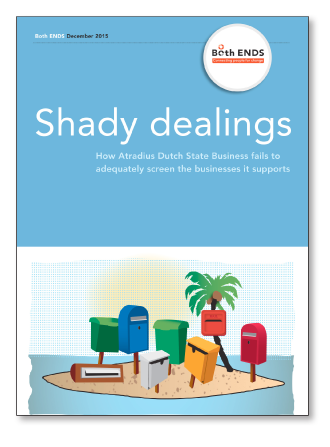
In the report Shady Dealings, published in December, Both ENDS looked at Atradius DSB from another perspective: the dubious tax strategies of business partners of Dutch companies it supports. The report found an absence of Atradius DSB due diligence to exclude the presence of tax avoidance, aggressive tax planning, or eventual money laundering activities in relation to a number of recently supported transactions. By failing to adequately screen companies, Atradius may thus be linked to the undermining of the ability of countries to collect vitally important tax revenues. It is yet another piece of evidence that should convince policymakers to ensure that ECA support is directed exclusively toward businesses that play a positive role in development
Publicly-funded development banks like the World Bank, the European Investment Bank and the Dutch FMO play a key role in financing projects in developing countries, with the goal of fostering economic growth. Most development banks have social and environmental policies in place.
But rarely do these policies translate to positive outcomes for local people, many of whom are engaged in desperate efforts to resist large-scale projects funded by development banks.
FMO and the Barro Blanco dam
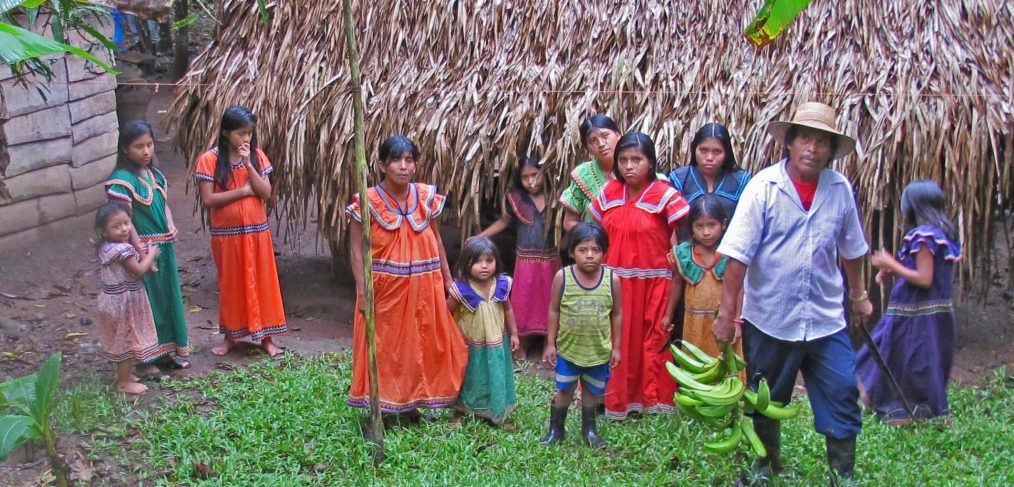
Both ENDS continued to support the NgäbeBugle people, an indigenous tribe in Panama which is opposing construction of the Barro Blanco dam. The dam, which was financed in part by FMO and the German development bank (DEG), would submerge the Ngäbe-Bugle’s homes and sacred sites.
In 2014, Both ENDS and FGG member SOMO supported partner Movimiento 10 de Abril (M10) in filing a complaint with FMO and DEG – the first ever under their new joint grievance mechanism – for funding the project.
In April 2015, the mechanism’s independent panel issued its long-awaited report, confirming that the banks had violated their own policies by approving the loan before sufficiently appraising the risks to indigenous rights and the environment. Despite the report’s supportive findings, FMO failed to
take serious action, citing the Panamanian government’s temporary suspension of the dam’s construction. In June, a representative from M10, co-hosted by Both ENDS and SOMO, took the communities’ cause directly to representatives of the banks and the Dutch and German governments, meeting with them in person to urge them to divest from the project and help put a definitive stop to the dam. Both ENDS and its allies are using the experience of the Barro Blanco case to push FMO to adopt a stronger accountability system.
Financing coal power in Senegal
In Senegal, Both ENDS is collaborating with partner Lumière Synergie pour le Développement to support communities outside Dakar
which are resisting construction of a coal-fired power plant. The plant is being financed by several development banks, including FMO. Both ENDS works together with LSD to set up a network of Senegalese NGOs with the aim of improving policies and practices of development banks active in the country. The network aims to work together with other NGOs across Africa to improve civil society engagement with development banks, mainly the African Development Bank and the World Bank.
A short video Both ENDS produced about this issue:
Banks and biodiversity offsetting
Suppose a proposed development project – perhaps a mine or a dam, or the road needed to get there – would erase what is now a fragile habitat, which would mean the demise of unique species of plants and animals. Fortunately, a thorough Environmental Impact Assessment (a key tool for banks to assess the impacts of a project before making a decision about investing) would flag the problem. The information should trigger serious consideration of whether the project should go forward, or how it could be adapted to avoid or mitigate the damage.
Under a new scheme called biodiversity offsetting, there is an easy way out. The problem doesn’t have to be solved: a life here can simply be traded for a life there, as if taking away your dog could be ‘offset’ by giving your neighbour a fish. The idea may sound farcical, but many development banks, including the European Investment Bank, are considering it as a way of dealing with the negative impacts of the projects they fund.
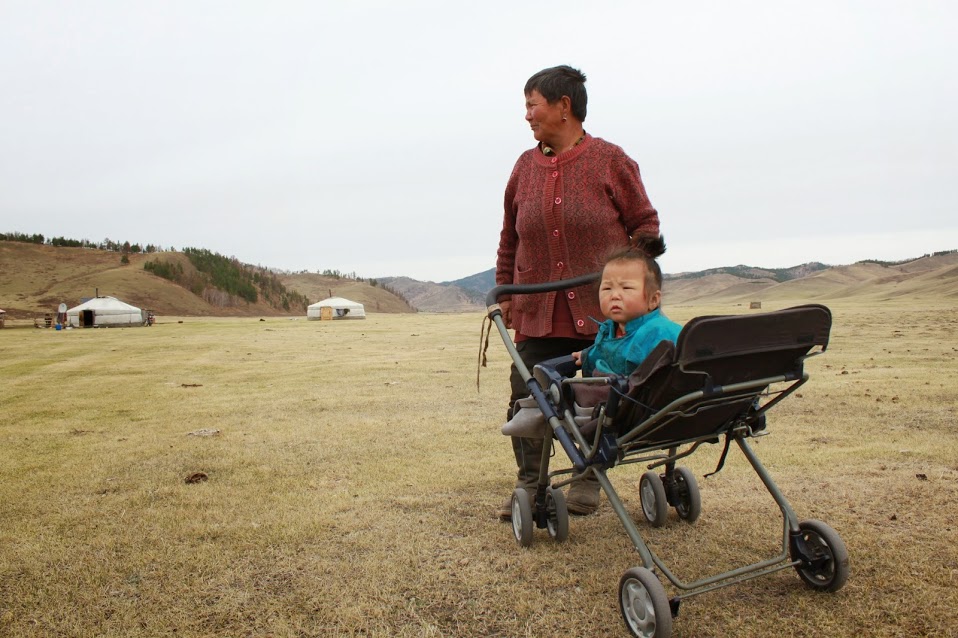
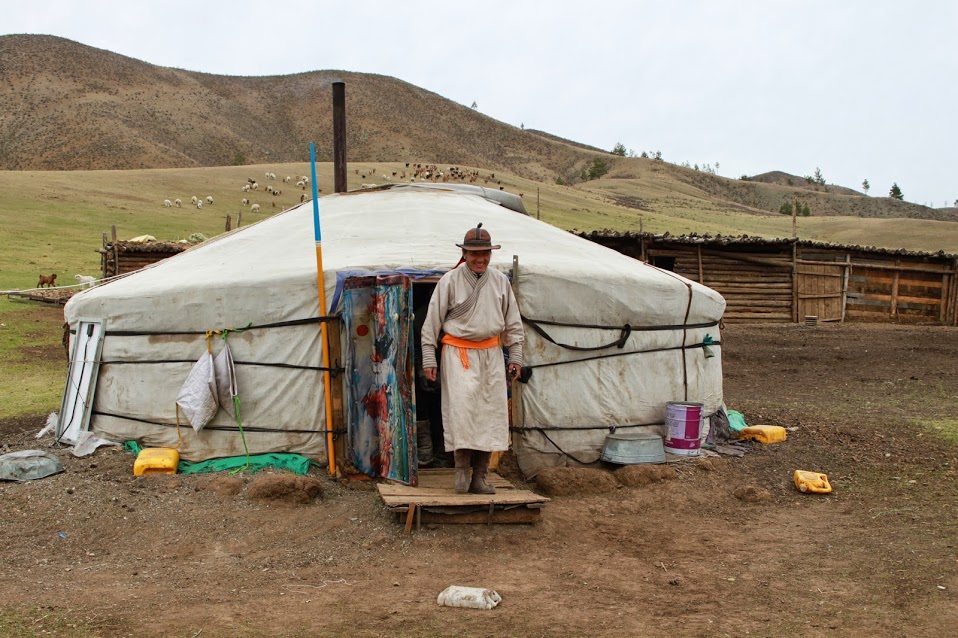
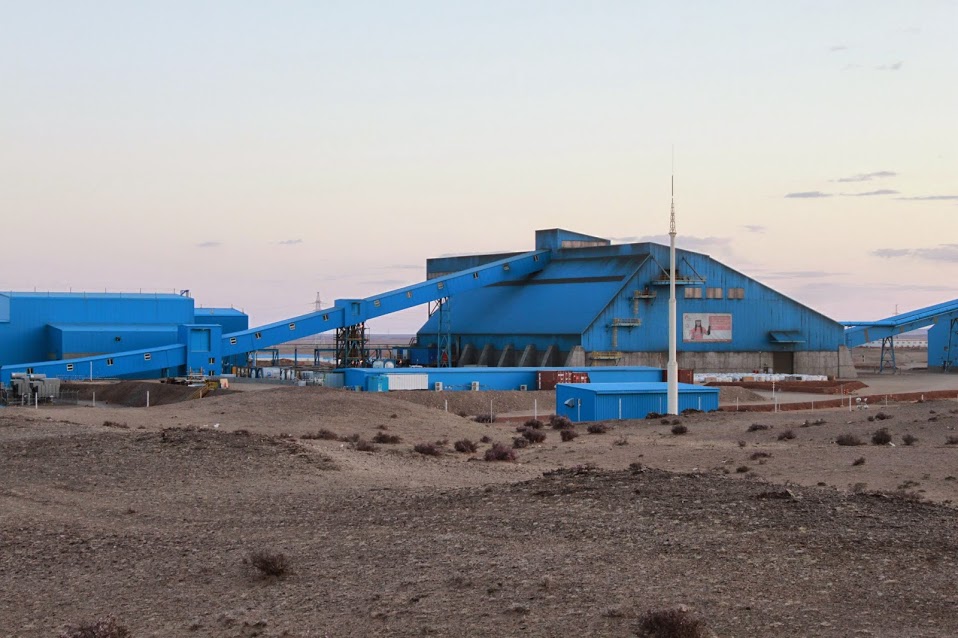
In May, Both ENDS participated in a fact-finding mission to Mongolia, the first country with legislation that requires biodiversity offsetting. Together with staff from Mongolian partner Oyu Tolgoi Watch and three other NGOs, Both ENDS set out to learn about implementation of the Mongolian law and implications for environmental conservation in the country. They met with the Environmental Ministry and nature conservation organisations in the capital, then headed to the South Gobi, the site of the massive Oyu Tolgoi mining project, which has received financing from the World Bank and the European Bank for Reconstruction and Development.
The group met with local officials, staff of the area’s nature reserves, and herders who have been adversely affected by the mine. In a detailed report, the mission’s participants described institutional conflicts and a troubling lack of government capacity around implementation of biodiversity offsetting. The report also questioned the feasibility of Oyu Tolgoi’s offset activities, which lacked proper baseline studies and failed to address fragmentation of the habitat of endangered species and the impacts of mining infrastructure on grasslands. The fact-finding mission represents important on-the-ground evidence of the problems behind biodiversity offsetting, and the risk it poses as a false solution to mitigating adverse impacts of development projects. Both ENDS wrote an article for Dutch magazine Vice Versa about the issue.
A publication Both ENDS produced about this issue:
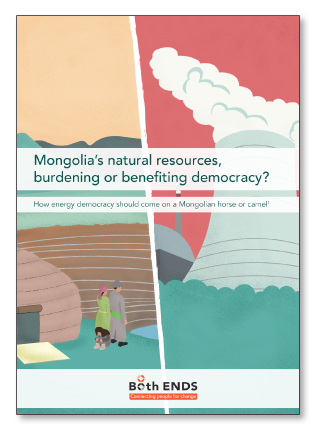

International trade and investment agreements do a lot to determine the conditions under which global capital flows. Such agreements should contribute to economic growth and employment. Instead, their focus is often on lowering the bar on social and environmental regulation and protecting investors.
Investor-to-state dispute settlement mechanism
In 2015, Both ENDS contributed to a vitally important debate around international frameworks and rules for trade and investment. Much attention was given to the Investor-to-State Dispute Settlement Mechanism (ISDS), which is part of many bilateral investment treaties (BITs) and free trade agreements. ISDS allows foreign companies to demand financial compensation for ‘unfavourable’ government regulations. What’s worse, companies can bypass domestic law and take their claim to an international court of private arbitrators who are neither democratically elected nor appointed.
In cooperation with Fair, Green and Global Alliance partners, Both ENDS participated in several public events and awareness-raising efforts around ISDS, particularly in relation to its proposed inclusion in the Transatlantic Trade and Investment Partnership (TTIP) which is currently being negotiated between the European Union (EU) and the United States (US).
When the European Commission proposed an Investment Court to replace ISDS, Both ENDS teamed up with allies in the Seattle to Brussels network to publish a critical analysis of the proposal, which doesn’t address the fundamental problem: giving foreign investors the right to sue states for democratically decided laws.
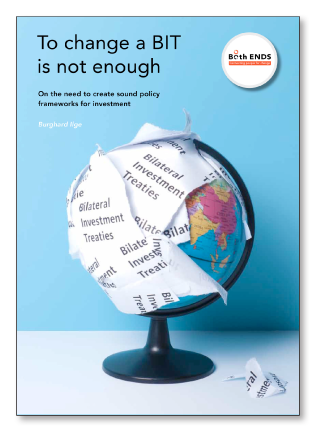
Similarly, in the aptly named report To change a BIT is not enough, Both ENDS argued that mild reform of BITs, which include ISDS, is not enough to ensure that they contribute to poverty reduction, inclusive growth and sustainable development – elements of the newly agreed Sustainable Development Goals (SDGs).
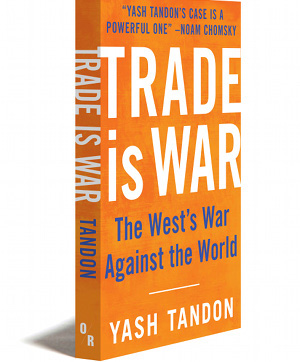 Both ENDS also played an important role in the collaborative civil society effort around TTIP, making sure that European and Dutch policymakers understand TTIP’s potential impact on developing countries. A bilateral agreement between the EU and US would mean a loss of trade preferences for developing countries, which could severely affect their economic growth. TTIP will also serve as a model for future agreements, so its content has far-reaching implications for all countries.
Both ENDS at the WTO Ministerial Conference
In December, Both ENDS accompanied the Dutch delegation to the World Trade Organization Ministerial Conference in Nairobi as an official adviser from civil society. Both ENDS monitored negotiations and conveyed civil society perspectives on key issues, such as the importance of preserving domestic food security programmes which benefit small farmers and producers, to Minister Ploumen (Foreign Trade and Development Cooperation) and the European Commission delegation.
Another key intervention was made earlier in the year when Both ENDS joined more than 130 NGOs in calling for a permanent exemption for least developed countries from WTO rules on intellectual property rights related to pharmaceuticals. Both ENDS helped succeed in securing Dutch support for the initiative and drawing attention to the broader problem of intellectual property rights for the world’s poorest countries, which are in sore need of access to affordable technology. In November, WTO members agreed to extend the exemption.
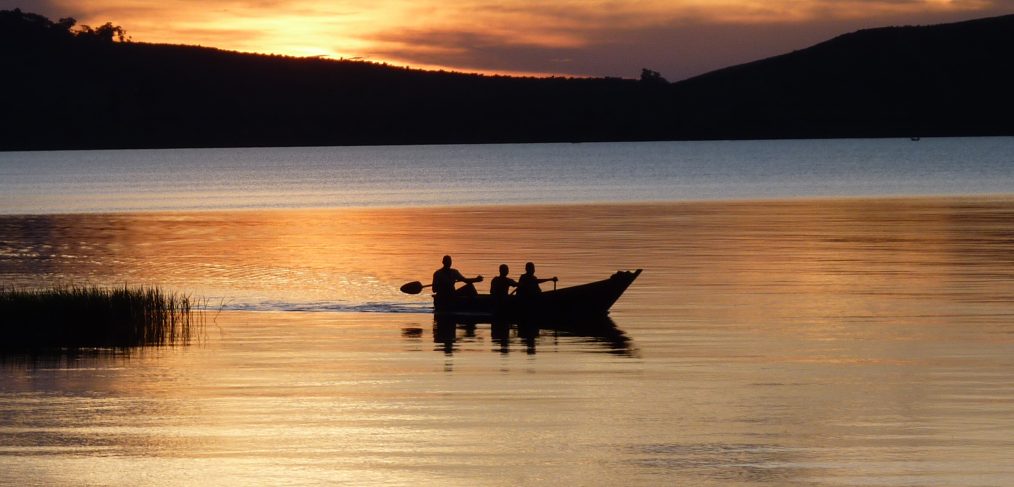
Effective management of water resources is a complicated task. It requires attention not only to the wide variety of water users and uses, but also the ecosystems through which water functions and moves.
In Africa, for example, the Nile Basin encompasses more than three million square kilometres in no less than 11 countries. It is home to 238 million people. Increasing their engagement in the management of the basin is the goal of the multinational NGO, Nile Basin Discourse (NBD), one of twelve members of the AfriWater Community of Practice (CoP) which was formed in 2014 with the support of Both ENDS. In six basins in East and West Africa, members of the AfriWater CoP are actively enhancing participation of communities in IWRM processes using the Negotiated Approach. They are also using an ecosystem perspective which integrates management of water with that of land and other resources for the purposes of both sustainable use and conservation.
In 2015, AfriWater CoP members shared their perspective with policymakers, pressing for full implementation of the policy framework Africa Water Vision 2025, which outlined the coordinated development and management of water, land, and related resources geared toward equitable and sustainable use. In 2015, AfriWater CoP caught the attention of key decision-making bodies and stakeholders, including the African Ministers’ Council on Water (AMCOW), which acknowledged the value of the network’s perspective on river basin management.
At the World Water Week in Stockholm, Serah Munguti, from AfriWater CoP member Nature Kenya, addressed a meeting of international donors, sharing the group’s remarkable success story in the Tana River Delta: the group’s efforts to raise awareness about the risks of proposed biofuel production in the area ultimately resulted in a comprehensive land and water use plan.
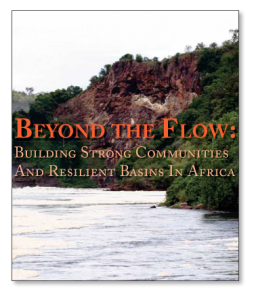
Along the way, the group succeeded in securing designation of the Tana River Delta as a Wetland of International Importance under the Ramsar Convention. This inspirational case is one of several featured in AfriWater CoP’s report, Beyond the flow: Building strong communities and resilient basins in Africa, published in October with the support of Both ENDS.
AfriWater CoP also developed fruitful relationships with the UNESCO-IHE Institute for Water Education and the African Network for Basin Organizations (the regional network of local water authorities). In 2015, the network was involved in project proposals with both groups. The AfriAlliance proposal, led by UNESCOIHE, was awarded funding from the European Union’s Horizon 2020 research and innovation programme. The project, which will run from 2016 to 2021, involves 16 EU and African partners, including scientists, decision-makers, practitioners, and other key stakeholders who will work together in the areas of water innovation, research, policy, and capacity development. AfriWater CoP is the consortium’s only civil society organisation, and brings to the table its unique expertise in ensuring bottom-up community involvement in water management.
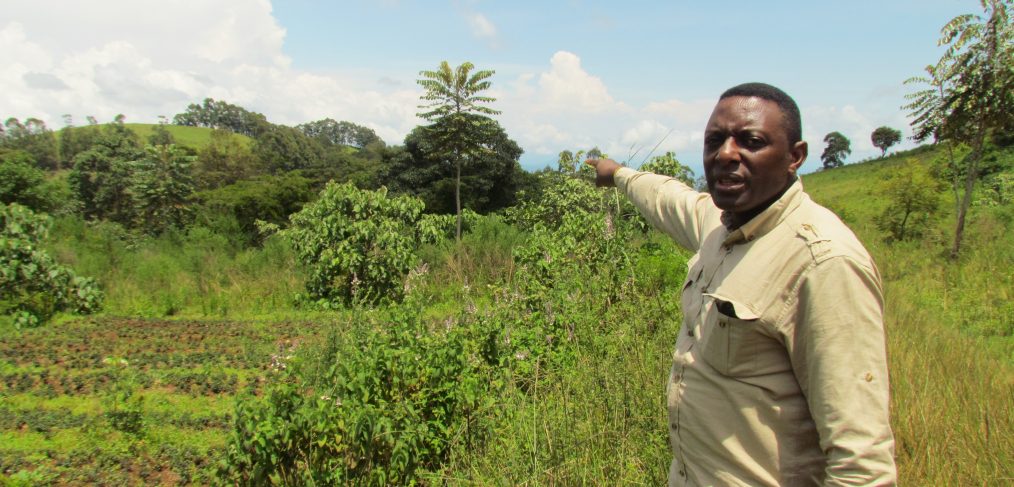
In 2015, Both ENDS and 14 organisations from nine African countries gathered in Cameroon to compare notes, inspire each other, and answer some key questions about their efforts to restore forest ecosystems for the benefit of local communities.
The organisations are using a diversity of approaches, from nurturing natural tree regrowth in arid drought prone regions to carefully planning and planting (partially) man-made forests that mimic natural forests by composition and structure, known as analog forestry. What are the results of these different approaches? What can be learned from experiences with them?
The meeting built on a much longer conversation, while adding new insights. The organisations agreed that the time was ripe to join forces in a systematic, collective effort to experiment with analog forestry.
The African Analog Forestry Network was born. In collaboration with Both ENDS and the International Analog Forestry Network, the groups have developed a programme centred around pilot projects to restore ecosystems and improve livelihoods in diverse ecological settings. The network members will conduct rigorous research about the economic feasibility, and social and environmental impact of productive ecosystem restoration that provides a source of food and income for local people.
Support for product development and access to both local and international markets will be a key component of the programme, as will lobbying and advocacy to promote enabling policies, such as land use designs and designations that recognise that ‘nature’ and ‘farm’ can be one and the same.
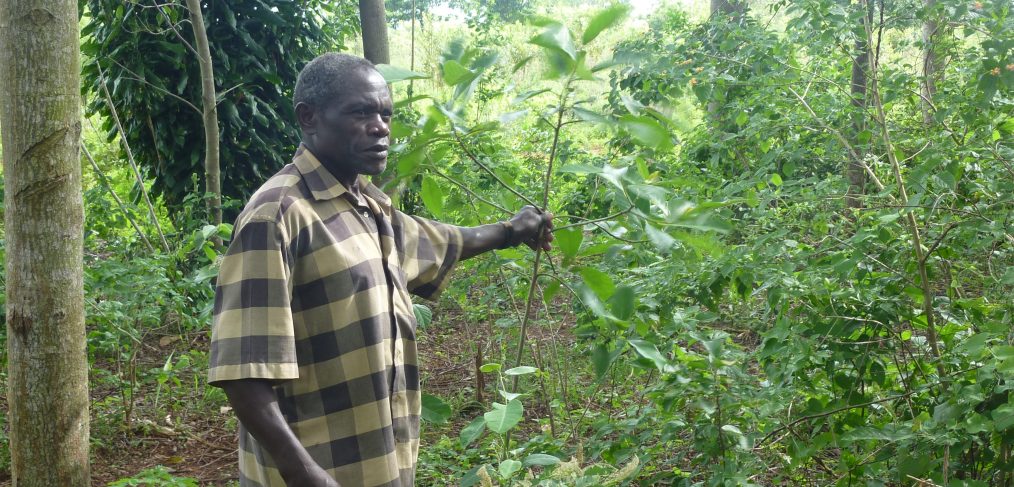
Who decides how land and water is used and distributed? Who benefits and who loses out? And what are the consequences for the environment? These are some of the key questions that Both ENDS has asked in different contexts and countries across the globe. And they are precisely the questions the Netherlands Environmental Assessment Agency (known as PBL) wanted to ask in relation to large-scale agricultural development and natural resource management projects in Sub-Sahara Africa.
PBL is the Netherlands’ institute for strategic policy analysis in the fields of the environment, nature, and spatial planning. It conducts research and collaborates with key European and international bodies, such as the environmental directorate of the Organisation for Economic Co-operation and Development (OECD) and the United Nations Environment Programme (UNEP). To find the answers it was seeking in Africa, PBL deferred to the expertise of Both ENDS and its partners. As part of a programme on sustainable African food production systems, PBL commissioned Both ENDS to analyse the strategies of local and national governments, international and local companies, local populations and their representatives and civil society organisations in Sub Sahara Africa in distributing and trading land and water. The result, published in 2015, is Governance of land and water distribution for agricultural development and nature conservation in Africa, written by Both ENDS based on of 9 case studies complied by scientists and (local) experts working in the region.
The report describes the dilemmas faced by the respective governments to achieve economic development while simultaneously addressing acute problems of extreme poverty and undernourishment suffered by large segments of the population. The report also tells the story of ambitious foreign funded agricultural development and conservation projects situated in fragile ecosystems among traditional rural societies.
It describes strong national and international policies – on paper -, and the failure to implement these in practice, allowing companies and implementing agencies to often operate with little or no consideration for social and environmental regulations and safeguard policies. Nearly all cases involve massive expulsion of rural people to make room for large-scale, top-down projects. Based on a analysis of these cases the report concludes that by and large small farmers and forest dwelling communities – responsible for 90% of food production in Africa – hardly benefit from such projects.
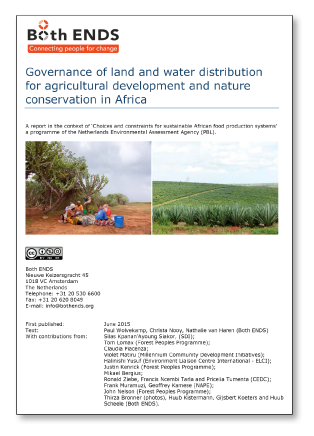
The report points at the need for government, companies, and financiers to comply with mandatory and voluntary regulatory frameworks, key among them the principle of FPIC (Free Prior Informed Consent) and the Voluntary Guidelines for the Responsible Governance of Tenure of Land, Fisheries and Forest in the Context of National Food Security. The report also signals the many opportunities which exist to steer investments, funding and support towards local farmers and other entrepreneurs in recognition of the key role they play or could play in generating food security, ecosystem management and restoration and creation of employment opportunities. Both ENDS discussed this and other important conclusions from the report in a presentation to PBL staff.
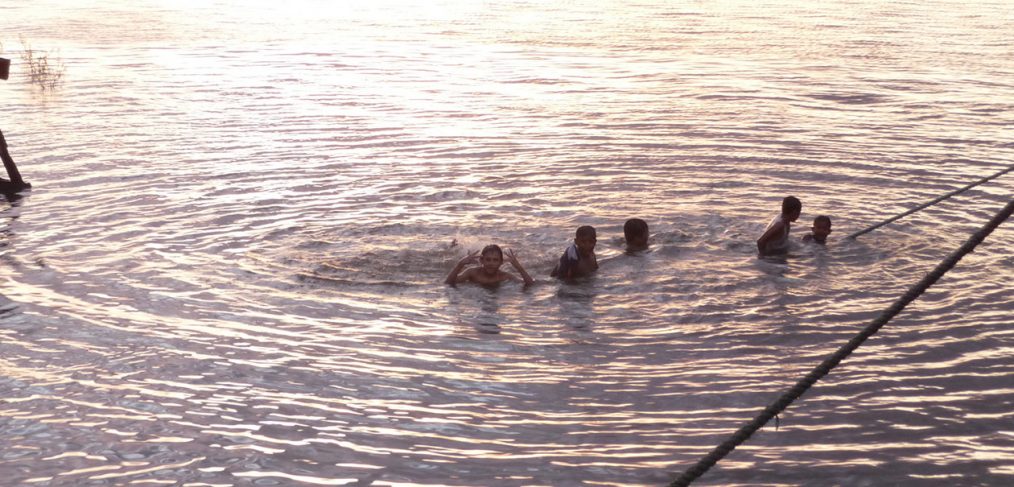
It doesn’t exist yet, but the threat of “El Canal” – a 260 kilometre canal through the heart of Nicaragua – is already wreaking havoc on farming and fishing communities, including indigenous people.
At a minimum, tens of thousands of people would have to be relocated for the canal, which is being financed by a Chinese investor. Legislation for the project was hastily approved by the Nicaraguan government, despite the fact that it clearly violates the Nicaraguan Constitution and the country’s indigenous and land rights laws.
In 2015, Both ENDS conducted a field trip to the region, meeting with Nicaraguan partners and communities to assess their needs and develop joint plans for raising awareness about land rights.
Thanks to the new Global Alliance for Green and Gender Action (GAGGA), a strategic partnership with the Dutch Ministry of Foreign Affairs led by Nicaraguan-based Fondo Centroamericano de Mujeres (FCAM), Both ENDS will be expanding its collaboration with Central American organisations.
Supporting communities that would be affected by the planned canal will be a top priority in the coming years.
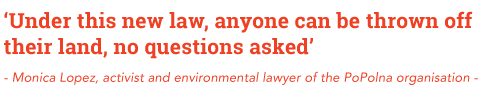
Both ENDS will collaborate with Nicaraguan partner POPOL NA, among others, to inform communities about their rights and to push for rigorous implementation of the right to free, prior, and informed consent (FPIC). Both ENDS has already raised concerns about the planned project with the Dutch government and water sector companies, which are exploring business opportunities related to the canal.