Export credit agencies’ role in development finance

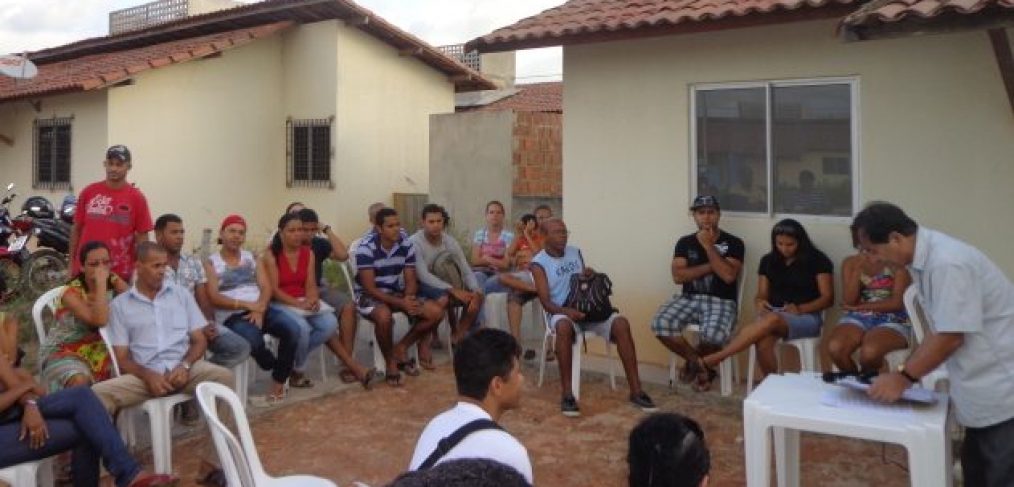
Few people in the coastal fishing communities of northeastern Brazil may know what an export credit agency (ECA) is, but they know better than anyone what the impact of its decisions can look like. As the largest source of public support for the financing of infrastructure projects in developing countries, ECAs play a key role in facilitating global capital flows. On behalf of national governments, ECAs offer insurance, guarantees or credit to domestic companies to cover their financial risks of doing business abroad. Unfortunately, ECAs often underwrite projects that are opposed by locally affected people, and associated with human rights violations and environmental harm. The Brazilian fisherpeople whose livelihoods and way of life were devastated by the Port of Suape expansion project know all too well the story behind ECAs.

Read More

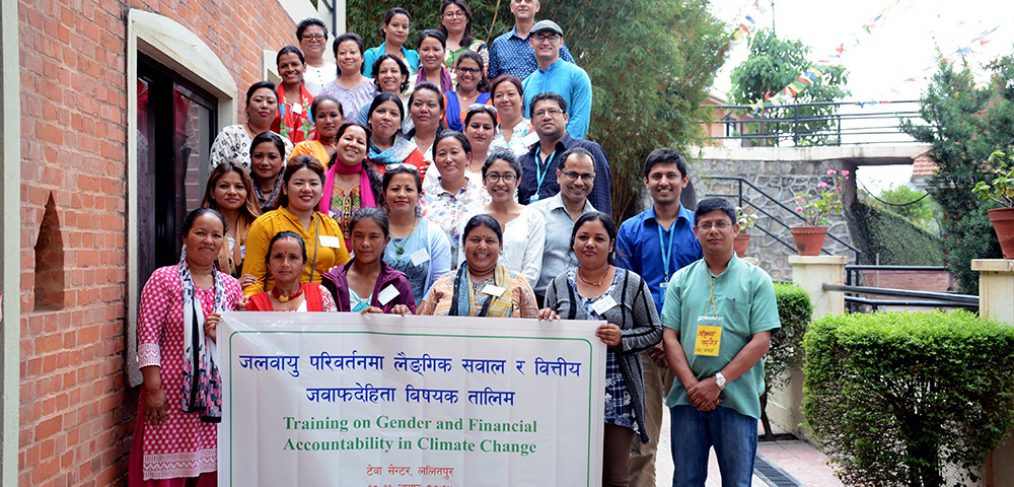
Local access to climate finance

Around the globe, civil society organisations are engaged in local initiatives to help people and environments adapt to climate shocks and changes. Women are at the forefront of local efforts to protect and restore ecosystems, increase community resilience and ensure the right of all community members to actively participate in decision-making about the environment.

Read More

Women’s leadership in restoring ecosystems through analog forestry

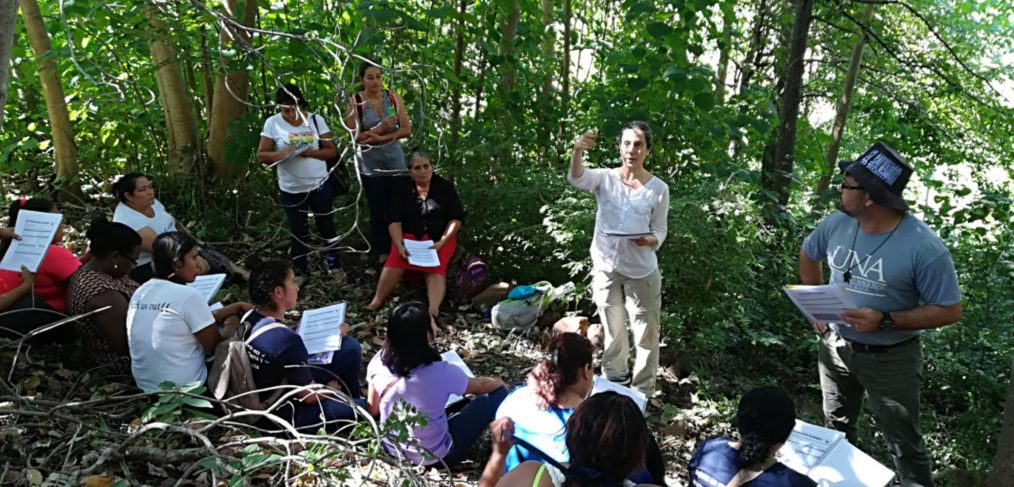
When it comes to tending the land and securing vitally important income from it, women often play a leading role in their communities. It is usually women who first signal the adverse environmental and health impacts of unsustainable agricultural and forestry practices. They know all too well how the conversion of forests for intensive monocrop and livestock farming leads to the devastating loss of healthy soil, clean air and water.

Read More

Wetlands without borders: the La Plata Basin

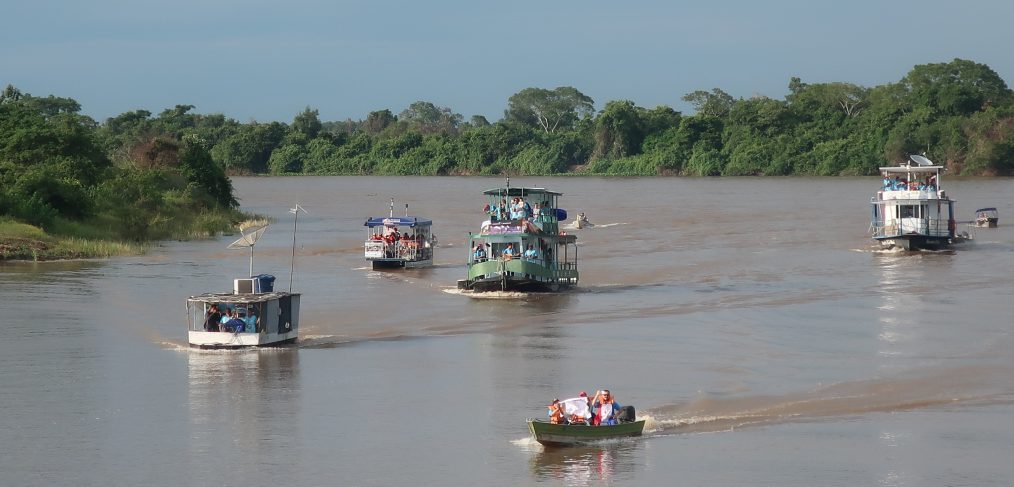
The La Plata Basin is the largest freshwater wetland in the world, extending into Argentina, Bolivia, Brazil, Paraguay and Uruguay. Around 160 million people rely on the wetland system as a source of water for consumption and irrigation. Although the basin covers a huge area – about one-fourth of South America’s surface – its jungles, savannahs, grasslands and wetlands have become fragmented islands. Monoculture, ranching, mining and infrastructure projects are among the many threats to the wetland system, its forests and rivers, and the livelihoods of the many people who depend on them.

Read More

All projects in 2018

Take a look at the overview of all of our projects in 2018, including funders and project partners.


Both ENDS takes part in two ‘Dialogue and Dissent’ strategic partnerships (2016-2020) with the Dutch Ministry of Foreign Affairs:

Fair, Green and Global (FGG) Alliance

FINANCED BY: Dutch Ministry of Foreign Affairs
ALLIANCE PARTNERS: ActionAid Netherlands • Clean Clothes Campaign Netherlands • Friends of the Earth Netherlands • Stichting Onderzoek Multinationale Ondernemingen (SOMO, the Netherlands) • Transnational Institute (TNI, the Netherlands)
PROJECT PARTNERS: ACD (Panama) • Amazon Watch (USA) • Blue Planet Initiative (Bangladesh) • CENDEP (Cameroon) • Green Watershed (China) • Ecoton (Indonesia) • ELSAM (Indonesia) • EMG (South Africa) • FECONAU (Peru) • FED (Uganda) • FoLT (Kenya) • Fórum Suape (Brazil) • GLC (Laos) • Grassroots Malaysia • IGJ (Indonesia) • Institut Dayakologi (Indonesia) • Kalikasan (Philippines) • KNTI (Indonesia) • Lumière Synergie pour le Développement (LSD, Senegal) • Movimiento de 10 Abril (Panama) • NTFP-EP (Malaysia) • POPOL NA (Nicaragua) • Riak Bumi (Indonesia) • RRDC (Nigeria) • SEATINI (Uganda) • WALHI Sulawesi Selatan (Indonesia) • Zambia Institute for Environmental Management (ZIEM) • Zambia Land Alliance (ZLA)

Global Alliance for Green and Gender Action (GAGGA)

FINANCED BY: Dutch Ministry of Foreign Affairs
ALLIANCE PARTNERS: Fondo Centroamericano de Mujeres (FCAM, Nicaragua) • Mama Cash (the Netherlands)
PROJECT PARTNERS: ADECRU (Mozambique) • AIDA (Mexico) • AIPP (Thailand) • Aksi (Indonesia) • CCIMCAT (Bolivia) • CEE Bankwatch (Czech Republic) • Centro Terra Viva (Mozambique) • Colectivo CASA (Bolivia) •  Development Institute (Ghana) • Economic Justice Network (South Africa) • Ecoton (Indonesia) • ELSAM (Indonesia) • Fondo Tierra Viva (Central America) • Fundo CASA (Brazil) • Global Greengrants Fund (USA) • Green Alternative (Georgia) • IAFN (Costa Rica) • IPACC (Africa) • Kalimantan Women’s Alliance (Indonesia) • Keystone (India) • Les Compagnons Ruraux (Togo) • Lumière Synergie pour le Développement (LSD, Senegal) • Madre Selva (Guatemala) • NAPE (Uganda) • NOGAMU (Uganda) • Nature Kenya • NGO Forum on ADB (Philippines) • NTFP-EP (Philippines) • Omadeza (Mali) • ONG APIL (Burkina Faso) • OT Watch (Mongolia) • Paz Integración y Desarrollo (Bolivia) • Perkumpulan Pancur Kasih (PKK, Indonesia) • Plataforma Sauce (Paraguay) • Plurales (Argentina) • POPOL NA (Nicaragua) • Prakriti (Nepal) • Puente Entre Culturas (Bolivia) • Sengwer (Kenya) • Source International (Italy) • SPNKK (Philippines) • Ulu Foundation (USA) • Unnayan Onneshan (Bangladesh) • Utz-Che (Guatemala) • WATED (Tanzania) • WOMIN (South Africa) • Yanling Zhu (China) • Zambia Land Alliance (ZLA)


Other projects and programmes:

AfriAlliance
FINANCED BY: UNESCO-IHE PROJECT PARTNER: Development Institute (Ghana)

Aligning European Pension Divestment and Finance
FINANCED BY: KR Foundation

All Eyes on the Amazon
FINANCED BY: Nationale Postcode Loterij PROJECT PARTNERS: Article 19 (United Kingdom) • COICA (Ecuador) • Digital Democracy (USA) • Global Forest Watch (USA) • Greenpeace Netherlands • Hivos (the Netherlands) • International Institute of Social Studies (ISS, the Netherlands) • Interpol (France) • University of Maryland (USA) • Witness (USA)

Communities regreen the Sahel
FINANCED BY: DOB Ecology PROJECT PARTNERS: CRESA (Niger) • IED Afrique (Senegal) • SPONG (Burkina Faso)

Community Tiger Conservation
FINANCED BY: private funder

DivestInvest Familiefondsen en Goede Doelen
FINANCED BY: Stichting DOEN

Fish4Food
FINANCED BY: University of Amsterdam

International Financial Institutions Program
FINANCED BY: Charles Stewart Mott Foundation

ISQAPER – Interactive Soil Quality Assessment in Europe and China for Agricultural Productivity and Environmental Resilience
FINANCED BY: The EU’s Horizon 2020 Programme for research & innovation PROJECT PARTNERS: Wageningen UR (The Netherlands) and many universities, private sector and think expertise organisations from Europe and China

Kick starting CSOs on Paris Proofing ECAs
FINANCED BY: Wallace Global Fund

Making European Export Credit Agencies accountable
FINANCED BY: Foundation Open Society Institute PROJECT PARTNERS: CEE Bankwatch (Czech Republic) • ECA Watch (international) • The Big Shift Global (international)

New corporate social responsibility policies for ECAs to phase out fossil fuel finance
FINANCED BY: KR Foundation PROJECT PARTNERS: CAN-Europe (Belgium) • Fórum Suape Espaço Socioambiental (Brazil) • ECA Watch (international) • Oil Change International (USA)

Participation is Power: Ensuring women’s access to climate finance
FINANCED BY: Wallace Global Fund PROJECT PARTNER: Women’s Environment & Development Organization (WEDO, USA)

Rich Forests
FINANCED BY: Stichting Otterfonds

Shifting Grounds
FINANCED BY: NWO-UDW PROJECT PARTNERS: Bangladesh University of Engineering and Technology (BUET) • Delft University of Technology (the Netherlands) • JJS (Bangladesh) • Management Development Institute (MDI) • SaciWaters (India) • The Researcher (India)

Strengthening Grassroots Pension Fund Divest Invest Campaigns
FINANCED BY: Wallace Global Fund

Support for Asian NGOs
FINANCED BY:  Non-disclosable

Support for Indian CSOs
FINANCED BY: Non-disclosable

Towards resilient agriculture systems and biodiversity conservation; Non-timber forest products for sustainable income in Southern Mali
FINANCED BY: Anton Jurgens Fonds PROJECT PARTNERS: Omadeza (Mali) • FairMatch Support (Burkina Faso)

Wetlands without Borders
FINANCED BY: DOB Ecology PROJECT PARTNERS: Casa Río Arte y Ambiente (Argentina) • CAUCE (Argentina) • CODES (Paraguay) • Escola de Ativismo (Brazil) • FARN (Argentina) • FONASC (Brazil) • Instituto Caracol (Brazil) • Instituto GAIA (Brazil) • Probioma (Bolivia) • Rede Pantaneiras (Brazil) •  Sobrevivencia (Paraguay) • Sociedade Fé e Vida (Brazil) • Taller Ecologista (Argentina)


Both ENDS manages two small grants funds:

The Koningsschool Fund
FINANCED BY: Stichting School van Z.M. Koning Willem III en H.M. Koningin Emma der Nederlanden

Young Environmental Leadership
FINANCED BY: Stichting Joke Waller-Hunter Initiative


Risks

Last year Both ENDS decided to develop an organisational risk analysis to better identify potential risks linked to the different organisational processes. This exercise will be evaluated and repeated each year. We highlight some of these risks here, as well as the corresponding mitigation measures that were taken last year to eliminate these risks as much as possible.

RISK: Insufficient attention is being devoted to the potential danger that Both ENDS personnel may face when travelling to partner countries.

Mitigation measure: Both ENDS finalised a security policy in 2017, as a result of which the necessary precautions have been taken to ensure the safety of travelling personnel. A Crisis Management Team (CMT) has been appointed to take the lead in the implementation of the policy and to take responsibility in case of crises or issues related to the security of Both ENDS’ personnel. The CMT received training so its members can fulfil that role effectively.

RISK: Data use and storage at Both ENDS is not up to date with the latest privacy legislation. The security of Both ENDS personnel and partners is at risk as long as we do not implement measures to ensure the safe use of data.

Mitigation measure: In 2016 new legislation was introduced related to the privacy of data (AVG, Algemene Verordening Gegevensbescherming). The legislation is set to be adopted in 2018 but the necessary preparations were already made in 2017. Several discussions were organised with groups of colleagues on this topic and we began by developing a handbook that will be used as a guideline for the use and storage of data at Both ENDS.

RISK: We generate insufficient funding to extend programmes and projects that are due to end in the short term.

Mitigation measure: We constantly monitor programmes/projects that are due to end in the short term but which we would like to extend. This is a priority in our fundraising. We maintain an overview of the duration of our programmes and projects and keep track of themes addressed in these programmes/projects, together with thematic developments that we would like to address in future programmes/projects. To meet these thematic demands in our fundraising, we continuously attempt to forge valuable partnerships with new donors and make sure that we maintain good relations with our current donors.

Financial governance and results

Both ENDS’ financial statement has been drafted in accordance with the Dutch Accounting Standard for Fundraising Institutions (RJ650, amended 2016). The annual accounts have been audited by Dubois & Co Registered Accountants.

FINANCIAL SITUATION AND RESULT

The general reserve is a continuity reserve, and it is designated to ensure that Both ENDS can complete or terminate ongoing projects in case of a significant shortfall of key sources of funding. Both ENDS’ current general reserve is 19% of the organisation’s operational costs. This amount is sufficient to absorb fluctuations in cash flow. In order to meet the project obligations, and if necessary any legal or moral obligations as a result of a decrease in funding and/or the dissolution of the organisation, Both ENDS is attempting to raise the general reserve to 25% of operational costs (approximately 600.000 euro).

The result in 2017 is 56.669 euro, which is roughly 16.000 euro higher than budgeted. This surplus has been added to the continuity reserve.

INCOME

Almost all of Both ENDS’ revenue comes from project funding, which includes grants from governments and (inter)national funds. Projects may last one or several years. The strategic partnership with the Ministry of Foreign Affairs started in 2016 and will run until 2020.

Both ENDS did not have a substantial income of a non-recurrent character in 2017, nor did it have any income / expenses from previous years, which have affected the result.

All direct and support costs are allocated to the objectives; to the costs of fundraising; and to management and administration. The support costs are attributed to these activities based on the hours spent by employees on the activities in question. All employees register their hours spent on these activities in the financial administration system.

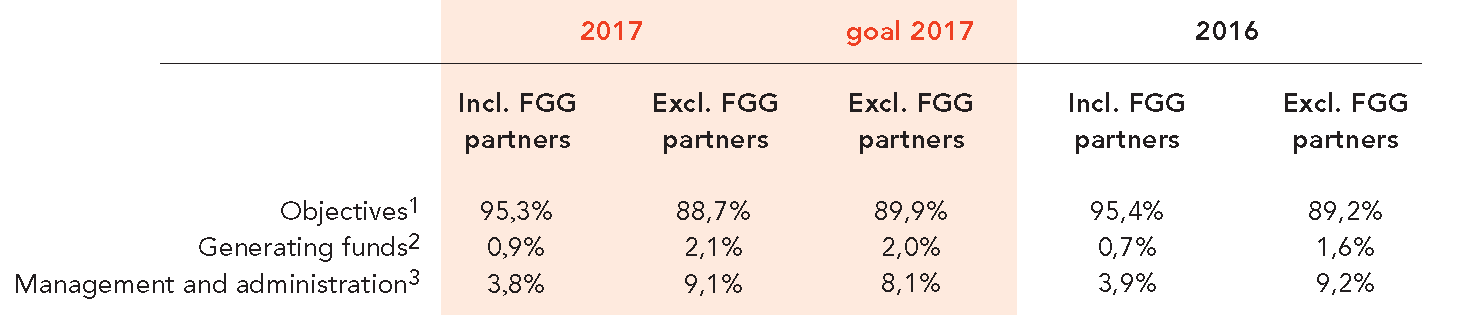
Both ENDS generally does not include the FGG partners when it monitors the financial ratios, as Both ENDS has no influence over the FGG partners’ expenditures. The expenditures on objectives are slightly below target.

FINANCIAL RATIOS

1. Expenditure related to the objectives as percentage of total expenditures.
2. Expenditure related to generating funds as percentage of total expenditures
3. Expenditures of management and administration as percentage of total expenditures

INVESTMENT POLICY

Both ENDS does not invest the reserves. The reserves of the Joke Waller-Hunter Initiative Foundation are invested. These investments are based on a defensive strategy and made by Triodos Bank. The investments in the portfolio are 100% sustainable.

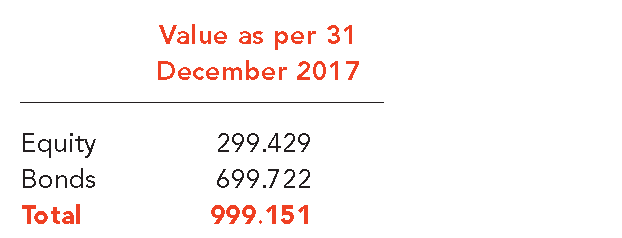
The aim of these investments is to keep an almost constant fund going. Every year the Board of the Foundation determines the maximum amount that can be withdrawn from the fund. Any changes to the investment policy are made by the Joke Waller-Hunter Initiative Foundation. Triodos reports on the investment results every quarter. The composition of the portfolio on 31 December 2017 was as follows:

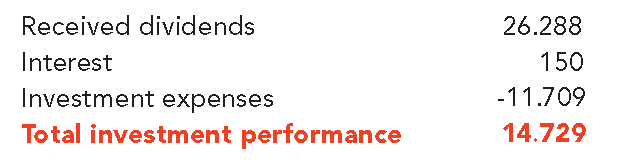
The investment result of 2017 is:
Fundraising

2017 was an excellent year for fundraising and acquisition. Both ENDS has acquired an important new donor in DOB Ecology, who are supporting two long-term programmes, one for regreening the Sahel and the other for protecting wetlands in Latin America. We have also been able to extend our relationships with existing donors, including the KR Foundation and the Open Society Foundation for our work on export credits; the C.S. Mott Foundation for our work on international financial institutions; and the Wallace Global Fund for our work on making the Green Climate Fund accessible to local NGOs. Not all of our efforts were successful: our applications to the European Commission for a good governance programme in Bangladesh and to the National Postcode Lottery Droomfonds, for example, were turned down. Nevertheless, over the course of 2017, the majority of our programme applications were successful.

We have also continued to work on building our ties with Dutch and foreign foundations, especially through the funders’ networks to which Both ENDS is affiliated, including the European Foundation Centre and the EDGE progressive funders’ network. Our initiative to organise ‘Divest-Invest’ dinners for Dutch philanthropists was supported by Stichting DOEN and Her Royal Highness Princess Laurentien. All of these activities have generated new contacts that offer possible opportunities for further exploration.

The positive results in 2017 offer scope to focus in particular on building relationships with potential new donors in the coming years. Indeed, Both ENDS will continue to work on acquiring support from a broad and varied group of donors in 2018.

Communication

In 2017, we launched a new communication strategy. The focus of the new strategy lies more than ever in showing how Both ENDS’ various activities and areas of work are connected. Each year, we will choose a few issues where many aspects of Both ENDS’ work converge. We then devote extra attention to communication on those issues for an extended period of time, for example through the website and other channels, through events, or through a media campaign.


PARIS PROOF EXPORT SUPPORT

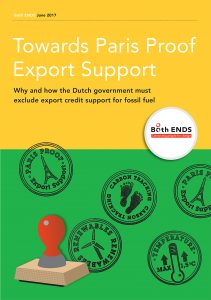
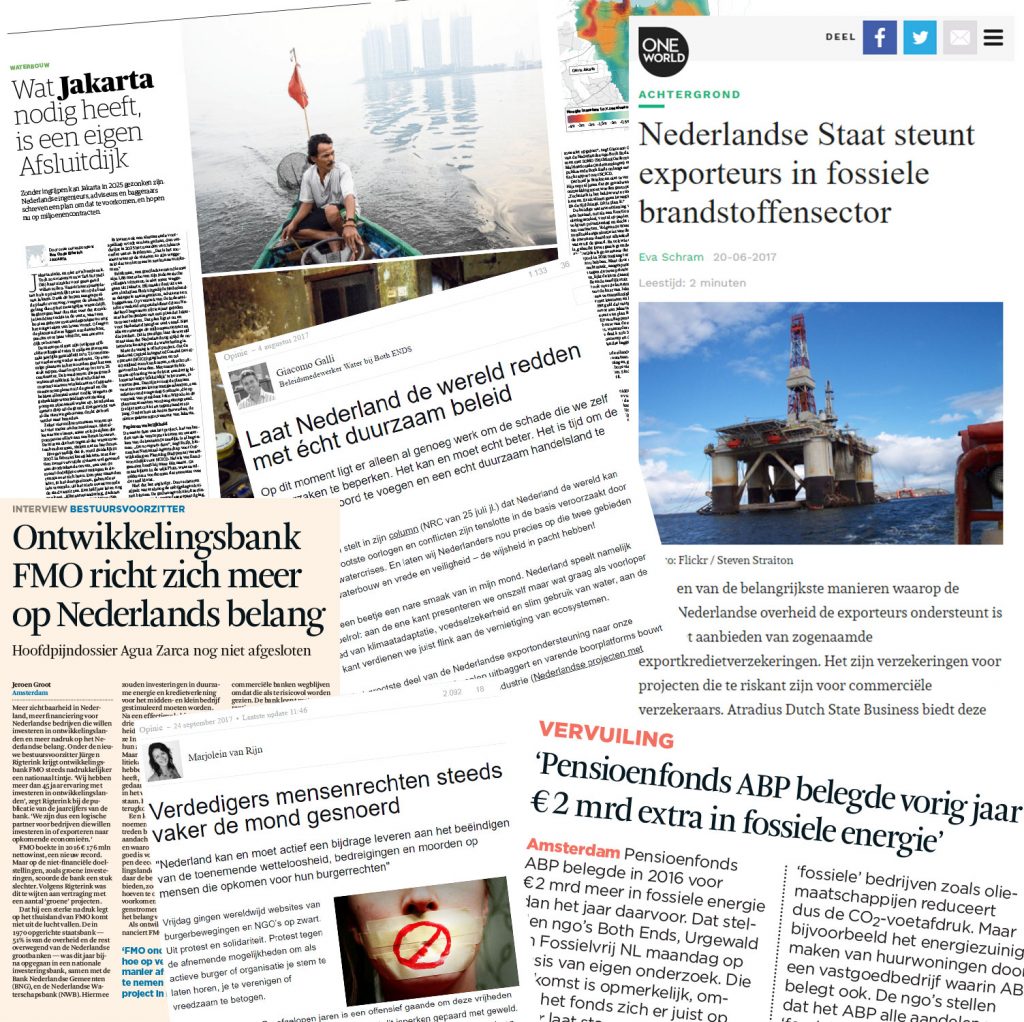
The first issue we focused on in 2017 was highlighted in our report entitled ‘Towards Paris Proof Export Support’. This report revealed that Dutch export credit agency Atradius DSB is providing export credit insurance on a large scale on behalf of the Dutch state to companies whose activities are linked to the fossil fuel sector. Not only does this undermine the Paris climate goals but it also violates environmental and human rights in the countries where the projects take place. In April, Both ENDS organised a seminar on this issue, to which a number of journalists were invited. This led to articles in two leading Dutch newspapers, NRC and NRC Next, and the report’s author was interviewed on public radio. The report and the dedicated page on the Both ENDS website received an above-average number of visitors. The fact that questions were raised on the issue in parliament shows that export support for the fossil fuel sector is now also on the political agenda.

SMALL GRANTS, BIG IMPACTS

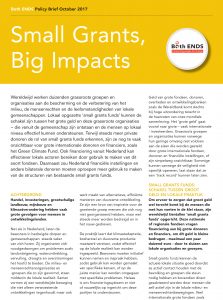
Another issue we focused on was highlighted in our 4-pager ‘Small Grants, Big Impacts’. It shows how small grants funds can be an effective link between large donors and financiers and local, usually small, organisations that know best what is needed but have no access to ‘big money’. By devoting special attention to this issue, we wanted to show why it is a good idea for large donors, financiers and governments to use small grants funds to make sure their money is used where it is needed most and can have the greatest possible impact. This project started in the second half of 2017 and will continue until the autumn of 2018. Two workshops are scheduled for a varied group of participants, one in Amsterdam, the Netherlands and one in Cape Town, South Africa.


MEDIA

In 2016, we started intensifying our contact with the Dutch media, the results of which became apparent in 2017. In addition to the media attention for the ‘Towards Paris Proof Export Support’ report, our revelations about the fossil fuel-related investments of the ABP pension fund had an especially significant impact, resulting in articles in three major daily newspapers, Het Algemeen Dagblad, Het Financieele Dagblad and De Telegraaf.

In September, a large number of organisations in the Netherlands combined forces to make a joint contribution to the worldwide campaign entitled Together We Speak, launched by the NGO platform CIVICUS. The campaign drew attention to the shrinking civic space in many countries. Both ENDS and about ten other organisations blacked out their websites for a day. We also focused attention on the problem by running a full-page advertisement in NRC Next and the NRC Handelsblad and an opinion piece on Joop.nl.


OTHER COMMUNICATION ACTIVITIES

In 2017, we started designing a new website. After an extensive design phase, work on building the new site began at the end of the year. It is expected to be launched in the first half of 2018. In addition, in 2017 we made Both ENDS’ work as visible as possible to our target groups in a variety of ways. By using Google AdWords, we more than doubled the number of visitors to our website in 2017 to more than 100.000. Our exposure on social media also expanded. As a result, more and more people around the world are being made aware of our solutions to achieve a fair and sustainable world.


Finally, in 2017, we once again produced a number of publications and short films together with our colleagues and partner organisations:

SOME OTHER PUBLICATIONS IN 2017 (see the full publication list on our website)


OUR VIDEO’S IN 2017:

Rich Forests: matchmaking for green ventures

The Effects of Palm Oil in Kiungkang

Reality of Mine – India

Reality of Mine – Kenya

Reality of Mine – South Africa

PMEL Strategy

In 2017 we continued to introduce a Planning, Monitoring, Evaluation and Learning (PMEL) cycle and a renewed quality management system. Several new practices were initiated at both the organisational and project level in cooperation with many colleagues. We have reflected on the initial experiences with these practices and as a result we made some adjustments during the year.

PROJECT PLANS

During the second half of 2017 we introduced a planning practice in the projects. This practice was initiated by a group of colleagues and consequently validated in cooperation with the project leaders and project members, among others. We are now further rolling out this practice and have reflected on the initial experiences. At the end of 2018 we will evaluate this new practice.

DASHBOARD

Part of the project planning is to define each project’s anticipated contribution to the organisational goals of Both ENDS and reflect on that at the end of the year. This helps us to direct the course of our organisational goals and monitor their progress. The progress is presented each quarter in a dashboard together with indicators on HR, finance and communication.

QUALITY MANAGEMENT

In 2018 we aim to certify our organisation according to the ISO 9001:2015 standard. In 2017 the quality team, consisting of two colleagues, made the necessary preparations for certification. This was done in close cooperation with many other colleagues. Most descriptions of processes and procedures had to be revised due to the reorganisation that was implemented in 2016-2017.